Rosacea Treatment
Calmer, Clearer Skin in Southwest Missouri
If your face is often red, flushed, or bumpy, rosacea may be the cause. At Swann Dermatology Partners, our experienced providers diagnose and treat all types of rosacea. We offer prescription treatment plans along with advanced laser options to reduce redness and visible blood vessels. Rosacea is a chronic condition, but with the right care, you can keep flare-ups under control and feel more confident in your skin.
What Is Rosacea?
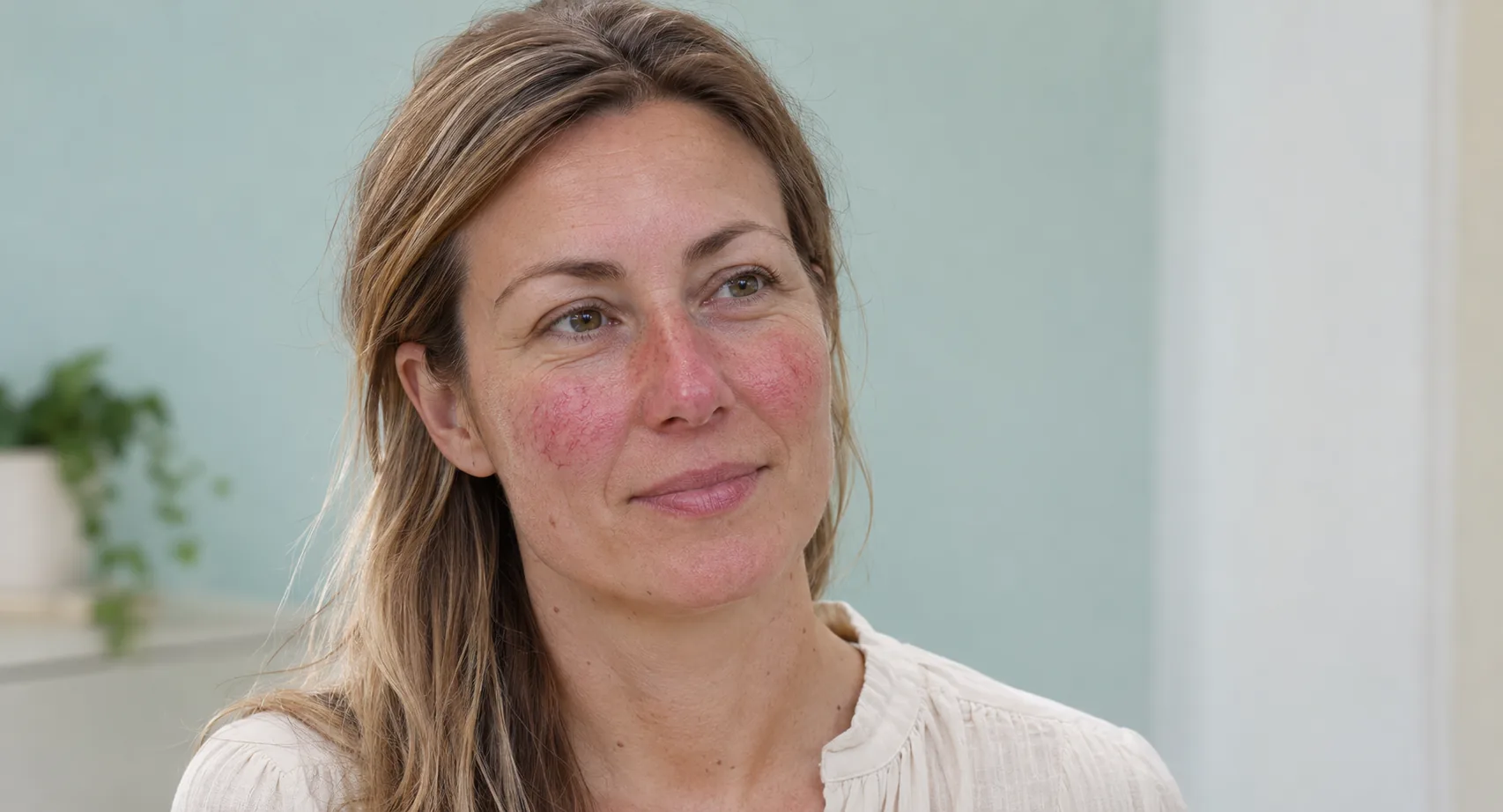
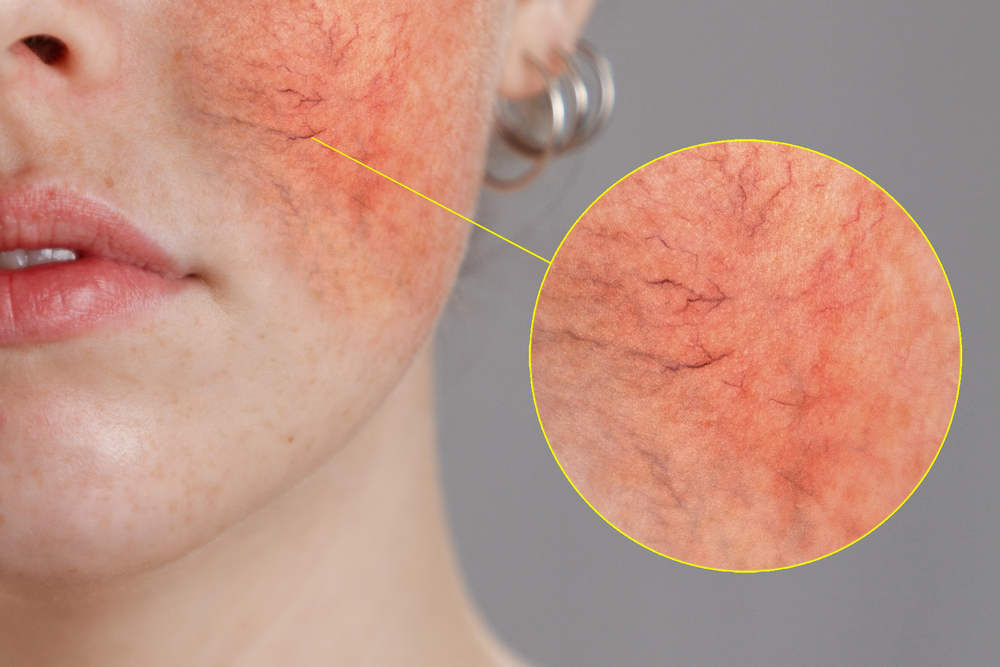
Rosacea is a chronic inflammatory skin condition that mainly affects the face, especially the cheeks, nose, chin, and forehead. It often starts with a tendency to blush or flush easily and can progress to lasting redness, visible blood vessels, and acne-like bumps. Symptoms usually come and go in flare-ups, which are often set off by triggers like sun exposure, heat, spicy foods, alcohol, or stress.
Rosacea can look a lot like acne, eczema, or a sunburn, so it’s often mistaken for other conditions. A dermatology provider can confirm whether you have rosacea and identify which type you have.
Types of Rosacea
Rosacea shows up differently from person to person, and many patients have more than one type. Our providers diagnose and treat:
- Redness and visible blood vessels: Persistent facial redness, flushing, and small, visible blood vessels, most often on the cheeks and nose.
- Bumps and pimples: Red, swollen bumps and pus-filled pimples that are often mistaken for acne. This type is also called papulopustular rosacea.
- Skin thickening: Thickened, bumpy skin, most commonly on the nose. When it affects the nose, it’s called rhinophyma.
- Ocular rosacea: Dry, gritty, red, or irritated eyes and swollen eyelids. Depending on the type and severity, we’ll work with your eye doctor or refer you to an eye care specialist as needed.
Rosacea Treatment Options
Your treatment plan will depend on your symptoms, the type of rosacea you have, and your skin goals. Many patients get the best results by combining prescription treatment with lifestyle changes, and for some, laser therapy.
Prescription Topical and Oral Medications
Prescription creams, gels, and oral medications can reduce inflammation, calm redness, and clear the bumps and pimples of rosacea. These medications are often the foundation of long-term rosacea management and can help prevent flare-ups.
CO2 Laser for Rhinophyma
For patients with skin thickening on the nose, we typically treat rhinophyma with CO2 laser. Swann Dermatology was the first practice in Springfield to offer fractionated CO2 laser treatment, and our team has extensive experience with this technology. CO2 laser removes excess tissue and helps restore a smoother contour to the nose. A consultation is required to evaluate your skin and plan your treatment.
KTP Laser for Rosacea Redness
KTP laser treatment targets the redness and visible blood vessels that medications alone often can’t fully clear. This in-office laser treatment is performed at our Springfield-Independence clinic by our licensed estheticians, Cydney Herndon, LE, April Loehr, LE, and Jade Brown, LE.
Because rosacea is a chronic condition, KTP laser isn’t a cure. Instead, it’s a way to help manage redness, and multiple sessions may be needed. A cosmetic consultation is required before your first treatment, so we can make sure it’s a good fit for your skin.
Managing Rosacea Triggers

Knowing what sets off your flare-ups is one of the most effective ways to keep rosacea under control. Common triggers include:
- Sun exposure
- Hot weather, hot baths, and hot drinks
- Spicy foods
- Alcohol, especially red wine
- Stress
- Cold wind
- Intense exercise
- Harsh or irritating skincare products
Your provider can help you identify your personal triggers and recommend a gentle skincare routine, including daily sun protection, to help your skin stay calm.
What to Expect at Your Appointment
At your first visit, your provider will examine your skin, ask about your symptoms and possible triggers, and review any treatments you’ve tried. Diagnosis and a personalized treatment plan can be established at that first appointment, so you can start treatment right away. Follow-up visits are scheduled as needed to track your progress and adjust your plan.
Cost, Insurance, and Referrals
Medical rosacea care, including your diagnosis and prescription treatment, is typically billed to your health insurance. KTP laser treatment for rosacea redness is considered cosmetic, so it’s paid out of pocket. You don’t need a referral to make an appointment with our office, but some insurance plans require one, so we recommend checking with your provider before your visit.
Why Choose Swann Dermatology for Rosacea Care?
Managing rosacea well takes more than a single prescription. Our team offers both medical treatment and laser options in one practice, so your care can grow with your needs. Our physicians, physician assistants, and nurse practitioners treat rosacea at all five of our offices in Springfield, Branson, Lebanon, and Monett. Meet Team Swann, find a location near you, or explore the other skin conditions we treat.
Our Rosacea Treatment Team

Michael Kremer, MD
General Dermatologist
Jeremy Light, MD
Mohs & Cosmetic Surgeon, Dermatologist
Autumn Bertholdi, PA-C
Dermatology Physician Assistant
Patsy Duggan, PA-C
Dermatology Physician Assistant
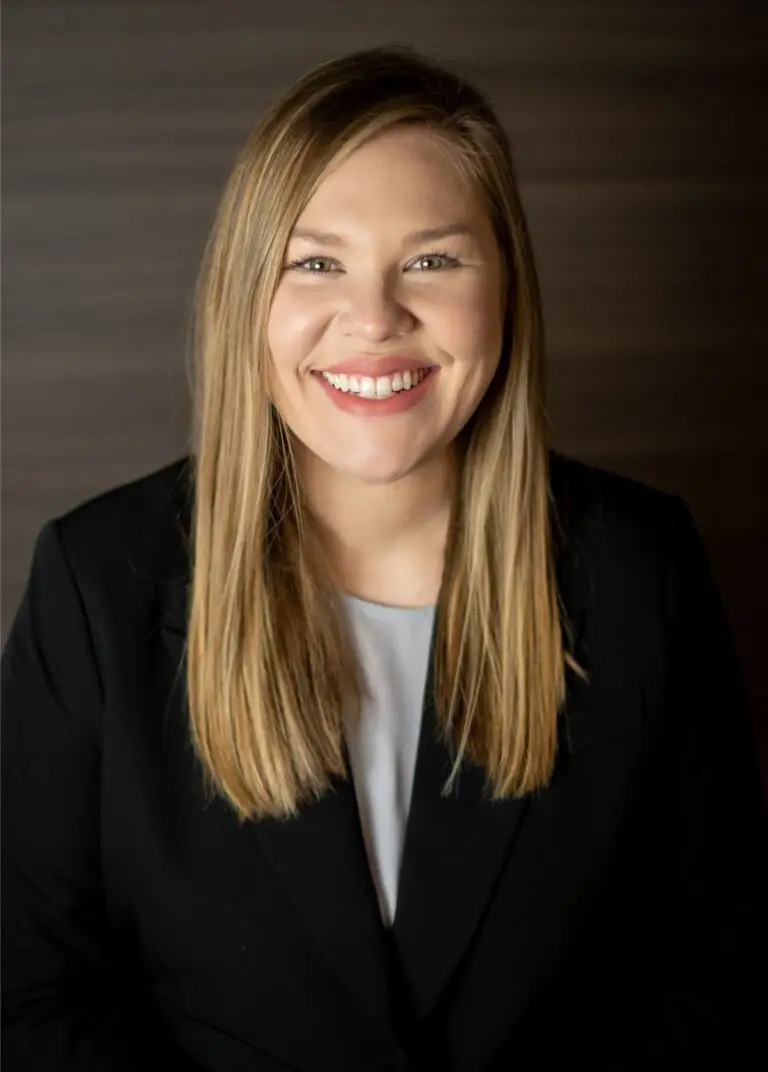
Lori Miller, NP-C
Dermatology Nurse Practitioner
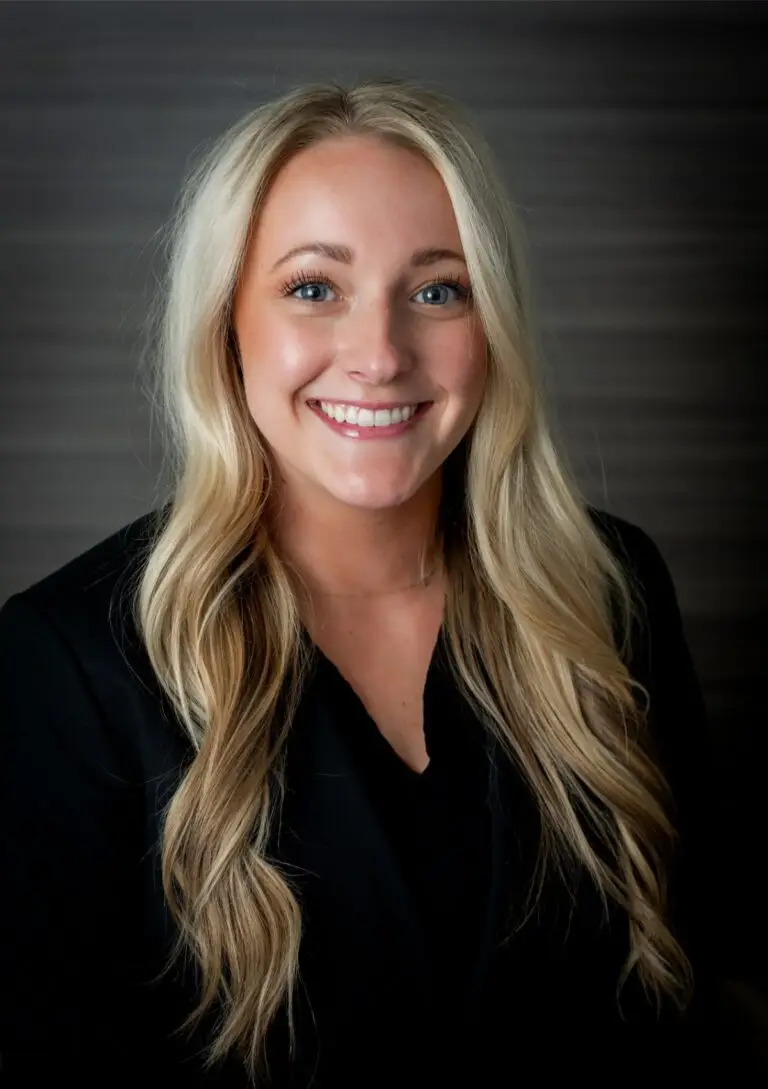
Hannah Lee, NP-C
Dermatology Nurse Practitioner
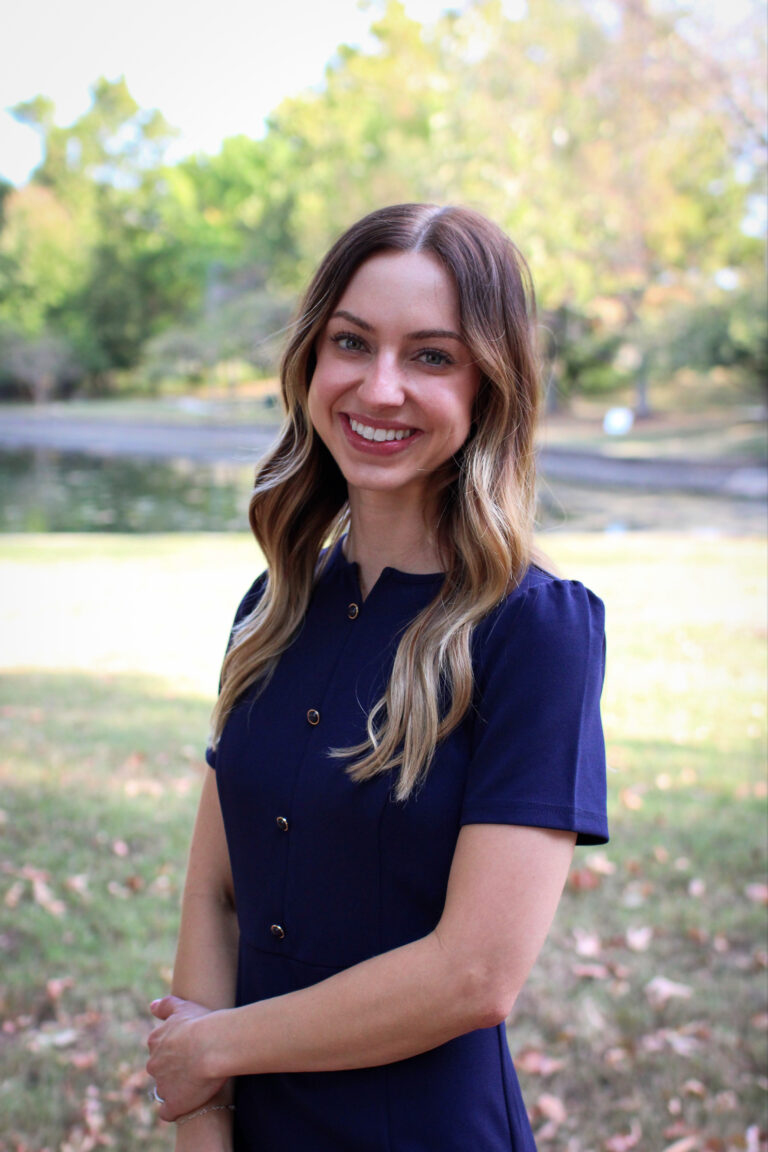
Brooklyn Fort, NP-C
Dermatology Nurse Practitioner

Lauren Copp, PA-C
Dermatology Physician Assistant

KTP Laser Treatment Providers

Cydney Herndon, LE
Esthetician, MA & Laser Technician
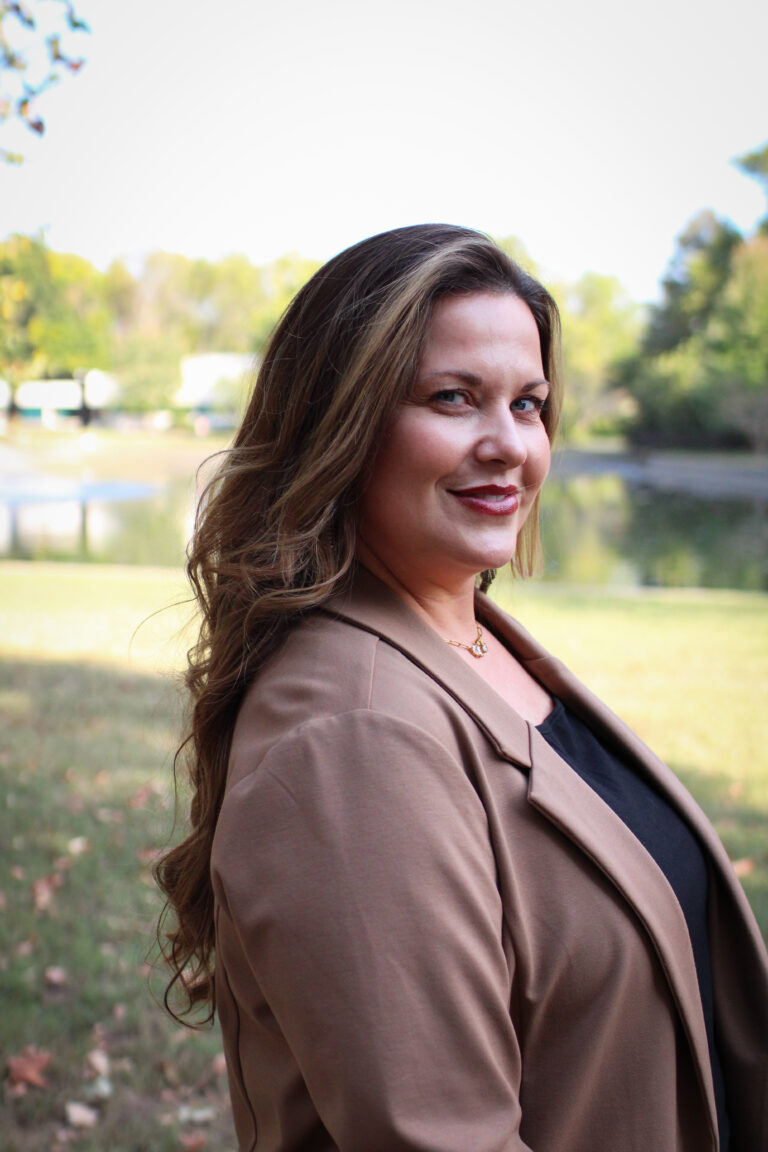
April Loehr, LE
Esthetician & Laser Technician
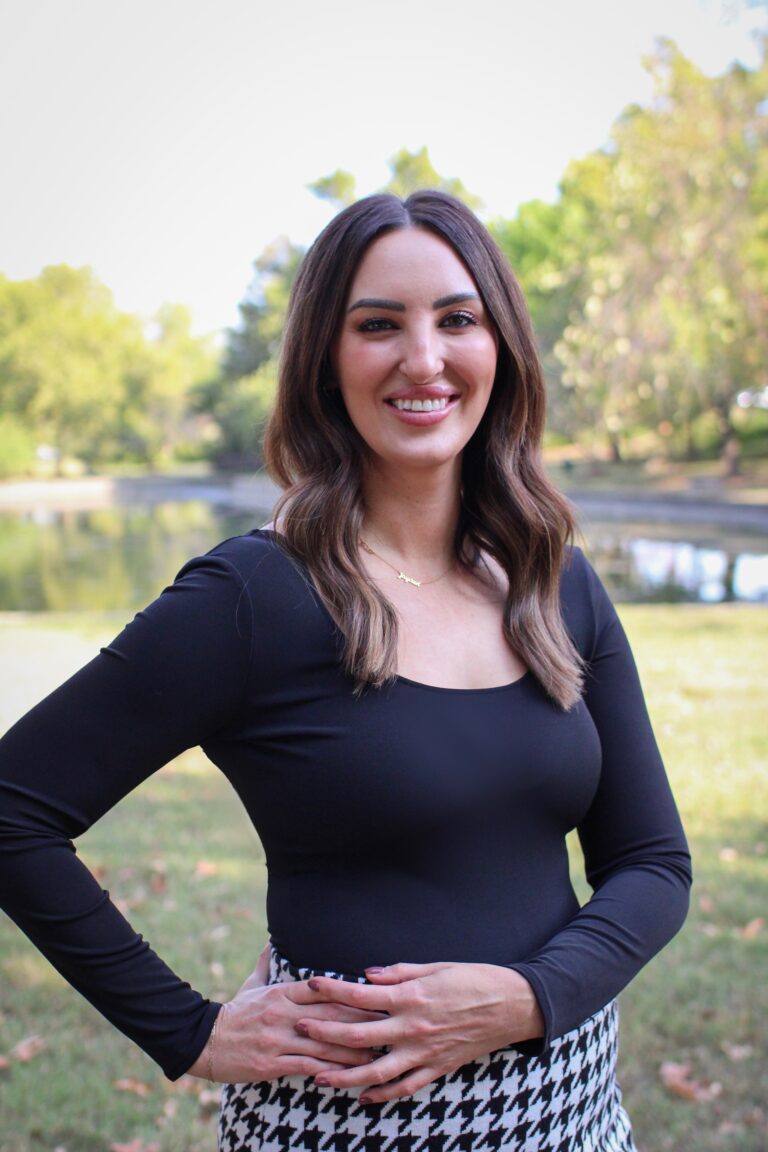
Jade Brown
Esthetician, Cosmetic Consultant, & Medical Assistant
FAQ’s
There’s no cure for rosacea, but it can be managed. A combination of prescription treatment, trigger management, and laser therapy when appropriate can help reduce redness and breakouts and keep flare-ups in check.
Both can cause red bumps and pimples, but rosacea doesn’t cause blackheads, and it’s often accompanied by flushing, persistent redness, and visible blood vessels. Rosacea also tends to appear later in life than typical acne. Because the treatments are different, getting the right diagnosis matters.
KTP laser can help reduce the redness and visible blood vessels caused by rosacea. It doesn’t cure the condition, and multiple sessions may be needed.
No. KTP laser for rosacea is considered cosmetic, so it’s paid out of pocket. We’ll review pricing during your consultation.
Common triggers include sun, heat, spicy foods, alcohol, stress, and harsh skincare products. Triggers vary from person to person, so your provider can help you figure out what affects your skin.
Yes. Ocular rosacea can cause dry, irritated, red, or gritty-feeling eyes and swollen eyelids. We’ll work with your eye doctor or refer you to an eye care specialist when needed.
Swann Dermatology Partners diagnoses and treats rosacea at five offices in Springfield, Branson, Lebanon, and Monett. KTP laser treatment is available at our Springfield-Independence clinic.
No referral is needed to schedule with our office, but some insurance plans require one. Check with your insurance provider before your visit.