
Wart Removal
Effective Wart Treatment for Adults and Kids in Southwest Missouri
Warts are one of the most common skin concerns we see, in adults and children alike. They’re harmless, but they can be stubborn, contagious, and uncomfortable, especially on the bottom of the foot. At Swann Dermatology Partners, our providers offer proven in-office wart treatment across Southwest Missouri, and in most cases treatment can begin at your very first visit.
What Are Warts?
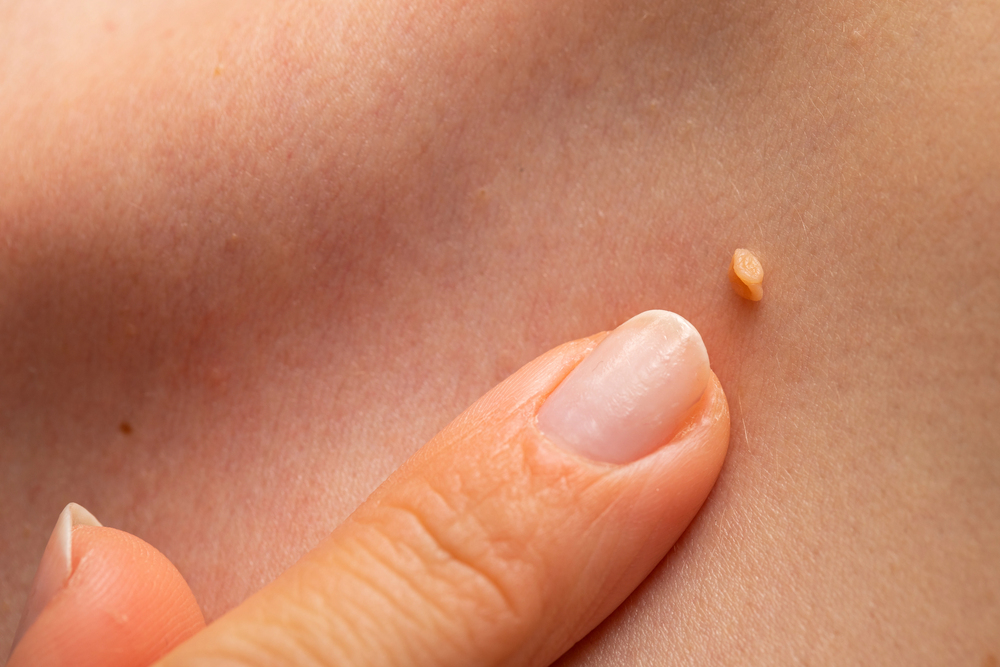
Warts are benign skin growths caused by the human papillomavirus (HPV). The virus enters through small cuts or breaks in the skin and causes cells to grow faster than normal, forming a rough, raised bump. Warts are often skin-colored and rough to the touch, but their appearance varies depending on the type and where they grow.
Because warts are caused by a virus, they can spread to other areas of your body or to other people through direct contact or shared surfaces like pool decks, locker rooms, and showers.
Types of Warts We Treat
Our providers treat all of the most common types of warts, including:
- Common Warts – Rough, raised bumps that usually appear on the hands, fingers, and around the nails.
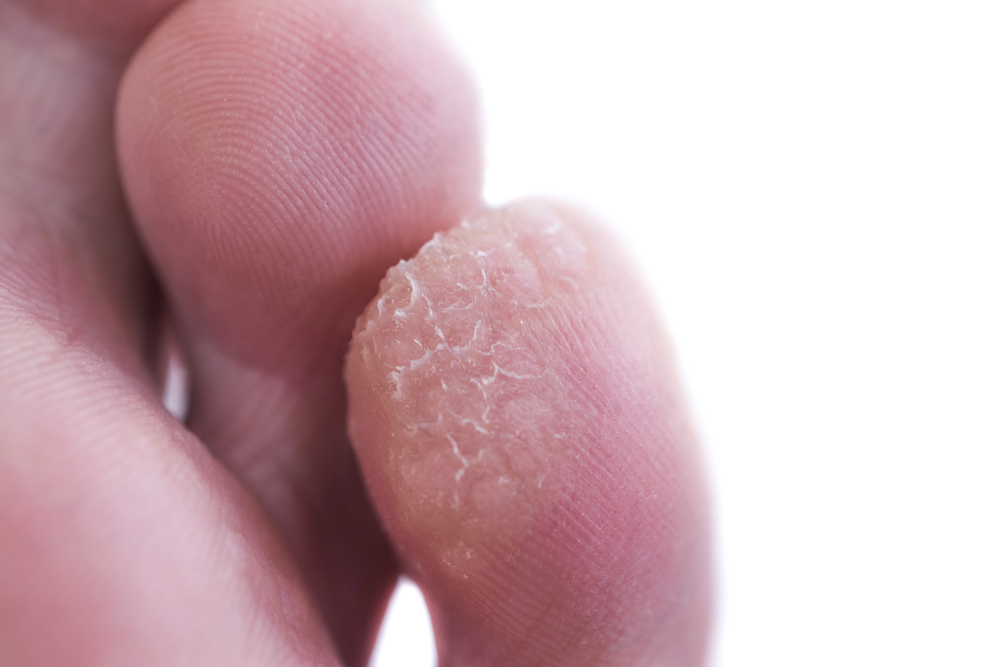
- Plantar Warts – Warts on the soles of the feet that grow inward from the pressure of walking, which can make them painful.
- Flat Warts – Small, smooth, slightly raised spots that tend to appear in clusters on the face, hands, or legs.
- Genital Warts – Warts in the genital area, caused by specific strains of HPV. We evaluate and treat these with discretion and care.
When to See a Dermatologist for a Wart
Some warts eventually fade on their own, but that can take months or even years, and in the meantime they may multiply or spread. It’s a good idea to make an appointment if a wart:
- Is painful, especially when you walk or use your hands
- Is spreading or multiplying
- Hasn’t improved with over-the-counter treatment
- Is on your face or genital area
- Bleeds or changes in color or appearance
- Might not be a wart at all
If you have diabetes, poor circulation, or a weakened immune system, it’s best to have warts on your feet or elsewhere evaluated by a provider rather than treating them at home.
Our Wart Treatment Options
There’s no single treatment that works for every wart, so your provider will recommend an approach based on the wart’s type, size, and location as well as your age and comfort level. We offer all the following treatments:
Cryotherapy
Often called wart freezing, cryotherapy uses liquid nitrogen to freeze the wart tissue. A blister typically forms underneath, and the treated wart peels away as the skin heals. It’s quick, requires no anesthesia, and is one of the most widely used wart treatments.
Cantharidin
Cantharidin is a topical blistering agent that your provider applies directly to the wart in the office. Application itself doesn’t hurt, which makes it a helpful option for children and anyone nervous about freezing. Over the next day or so, a blister forms beneath the wart and lifts it from the skin.
Prescription Topical Medications
Prescription-strength creams and solutions can be used at home between office visits to help break down wart tissue or boost your skin’s response to the virus. These are often combined with in-office treatment for stubborn warts.
Candida Antigen Injections
For persistent or recurring warts, your provider may recommend candida antigen injections. This immunotherapy uses a small amount of antigen injected into the wart to prompt your immune system to recognize and fight the wart virus.
Wart Treatment for Children
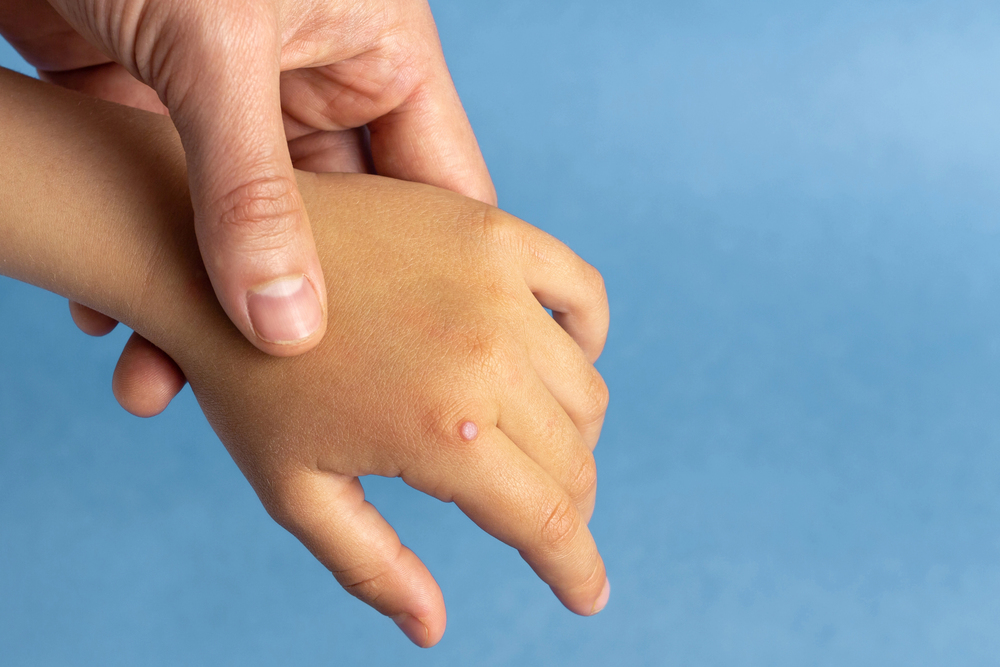
Warts are especially common in kids, and we’re glad to help. Michael Kremer, MD, and Brooklyn Fort, NP-C, see pediatric patients and will choose a treatment that’s effective and as comfortable as possible for your child. Kids often pick up warts at school, at the pool, or during sports, so treating them early can help keep them from spreading to other areas or to siblings. Our team also treats many other skin conditions in children and adults .
What to Expect at Your Appointment
Your visit starts with an exam to confirm the growth is a wart and identify its type. In most cases, treatment can begin the same day as your evaluation, so you won’t need to wait for a separate appointment.
Warts often need several treatments to clear completely. We recommend returning every 4 to 6 weeks for follow-up treatment until the wart is gone. Sticking with that schedule gives you the best chance of fully clearing the wart and keeping it from spreading.
Cost, Insurance, and Referrals
Wart evaluation and treatment are medical services, and we can file these appointments with your insurance. Your coverage and out-of-pocket costs depend on your individual plan, so we recommend checking your benefits with your insurance provider.
You can book directly with us, and our office does not require a referral. Some insurance plans do require a referral from your primary care provider, though, so it’s best to check with your insurer before your visit.
Why Choose Swann Dermatology
Families across Southwest Missouri trust Swann Dermatology Partners for everyday dermatology as well as advanced skin cancer care. Our team of physicians, physician assistants, and nurse practitioners treats warts regularly at all four of our locations, with treatment plans tailored to each patient. Get to know the friendly faces of Team Swann and see why so many patients keep coming back.
Our Mole Check & Removal Team

Michael Kremer, MD
General Dermatologist

Autumn Bertholdi, PA-C
Dermatology Physician Assistant

Patsy Duggan, PA-C
Dermatology Physician Assistant
Lori Miller, NP-C
Dermatology Nurse Practitioner

Hannah Lee, NP-C
Dermatology Nurse Practitioner

Brooklyn Fort, NP-C
Dermatology Nurse Practitioner

Lauren Copp, PA-C
Dermatology Physician Assistant

FAQ’s
Yes. Warts are caused by a virus and can spread through direct skin contact or shared surfaces. Avoid picking at warts, keep them covered, and don’t share towels, razors, or shoes to help prevent spreading them.
Some do, but it can take months or years, and many continue to grow or spread in the meantime. Treatment can speed up clearing and help prevent new warts from forming.
Most patients feel only brief discomfort. Freezing can sting for a moment, and the treated area may be tender for a few days while it heals. Cantharidin application is painless, though the blister that forms afterward may be sore.
It varies by wart. Many warts need several treatments, spaced 4 to 6 weeks apart, before they clear completely.
Over-the-counter products work for some warts, but plantar warts and stubborn warts often don’t respond. Warts on the face or genitals, and warts in people with diabetes or circulation problems, should be treated by a provider.
It can. Warts sometimes return in the same spot or appear in new areas, since the virus that causes them is common. If a wart comes back, coming in early makes retreatment easier.
Yes. Michael Kremer, MD, and Brooklyn Fort, NP-C, see pediatric patients for wart treatment.
We offer wart treatment at all four of our locations: Springfield , Branson , Lebanon , and Monett .
Our office doesn’t require one, but some insurance plans do, so it’s best to check with your insurer before your visit.