
Cyst Removal
Safe, Thorough Cyst Removal in Southwest Missouri
Skin cysts are common, noncancerous lumps that form under the skin. Many cause no trouble at all, but others grow, become sore, or sit somewhere that’s hard to ignore. At Swann Dermatology Partners, our providers evaluate and remove cysts at our Springfield, Branson, and Lebanon offices, and every removed cyst is sent to pathology for review. Whether your cyst is new or has been bothering you for years, we’ll help you find the right way to deal with it.
What Is a Skin Cyst?
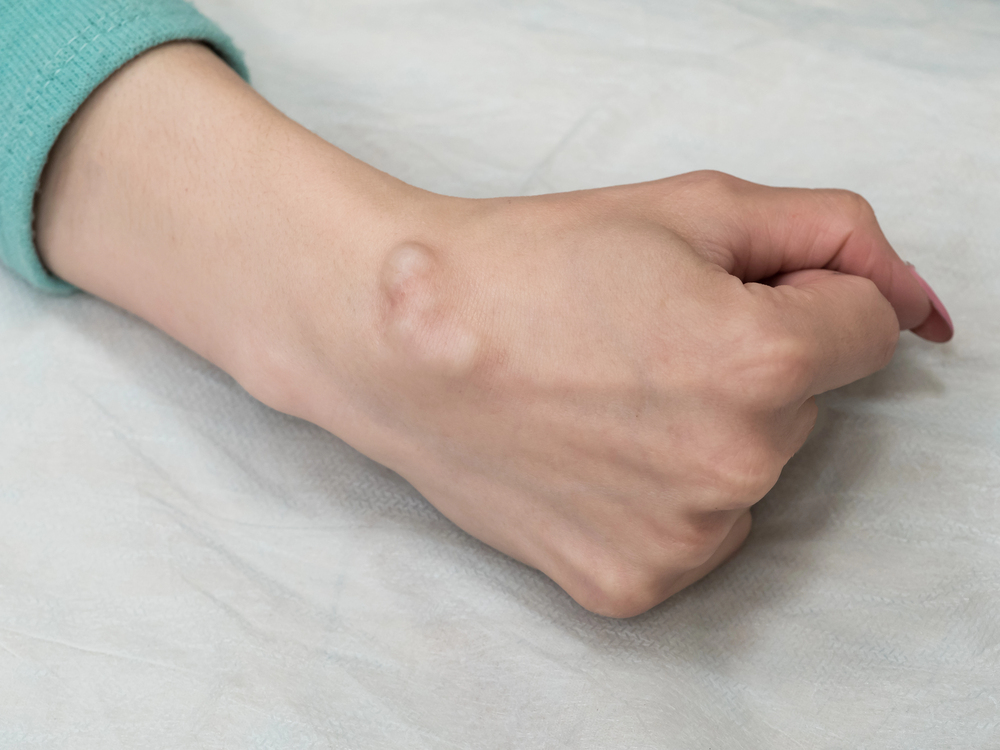
A skin cyst is a closed sac beneath the skin, usually filled with keratin, a soft protein, or other material. Cysts often feel like a smooth, firm, round bump that moves slightly when you press on it. They can stay the same size for years or slowly grow over time.
Because a cyst is enclosed by its own wall, it often comes back if only the contents are squeezed or drained. Removing the cyst wall is the key to keeping it from returning.
Types of Cysts We Treat
Our providers treat three common types of skin cysts:
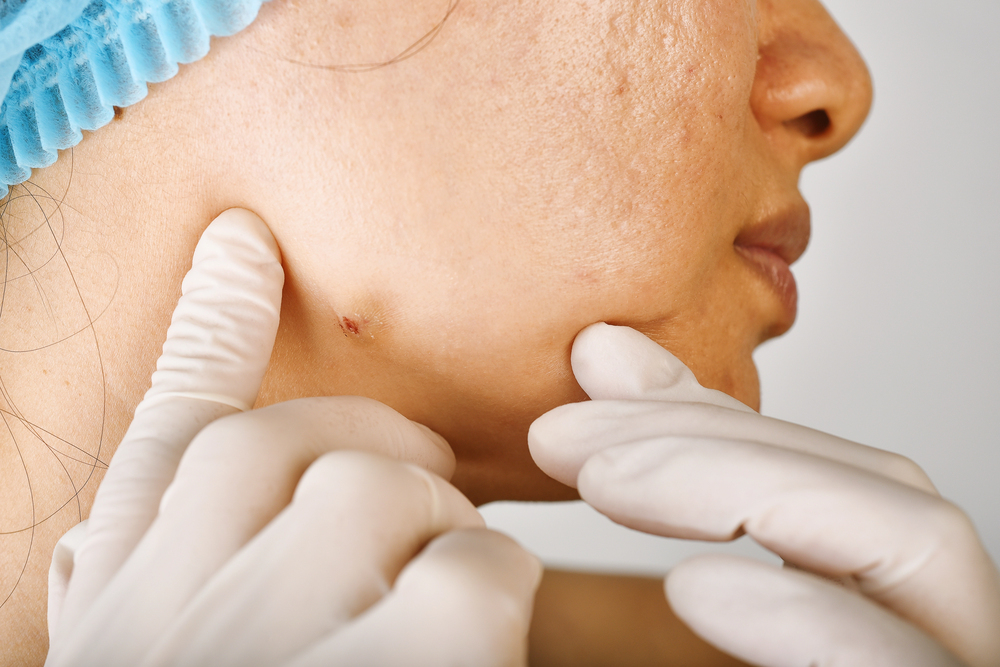
- Epidermoid Cysts – Small, firm bumps that often appear on the face, neck, chest, or back. Many have a tiny dark opening at the center.
- Pilar Cysts – Smooth, firm cysts that most often form on the scalp and tend to run in families.
- Sebaceous Cysts – A name commonly used for cysts filled with an oily or cheesy material. Many cysts called sebaceous are actually epidermoid or pilar cysts. Your provider can tell you which type you have.
When to Have a Cyst Looked At
A cyst that isn’t bothering you may not need treatment right away, but it’s a good idea to schedule an evaluation if you notice any of these signs:
- Growth or changes in size or shape
- Pain or tenderness
- Redness, swelling, or warmth
- Drainage or an odor
- A cyst that keeps coming back
- A cyst that gets in the way of clothing, hairbrushes, or daily activities
An exam also confirms that a lump is really a cyst and not another type of growth.
Our Cyst Removal Options
Your provider will recommend the right approach based on the cyst’s type, size, location, and whether it’s inflamed. We offer four removal options:
Surgical Excision
The cyst is removed completely, including its wall, and the area is closed with stitches. Removing the entire cyst gives you the best chance that it won’t return.
Minimal-Incision Removal
For some cysts, your provider can remove the cyst through a smaller opening. This approach can mean a smaller scar while still removing the cyst wall.
Drainage
Draining a cyst relieves pressure and discomfort quickly. Because the cyst wall stays in place, drainage is usually a short-term fix, and the cyst may need to be removed later.
Steroid Injection
For a cyst that’s inflamed, a steroid injection can help calm swelling and tenderness so the cyst can be treated more effectively once it settles down.
What If My Cyst Is Inflamed or Infected?
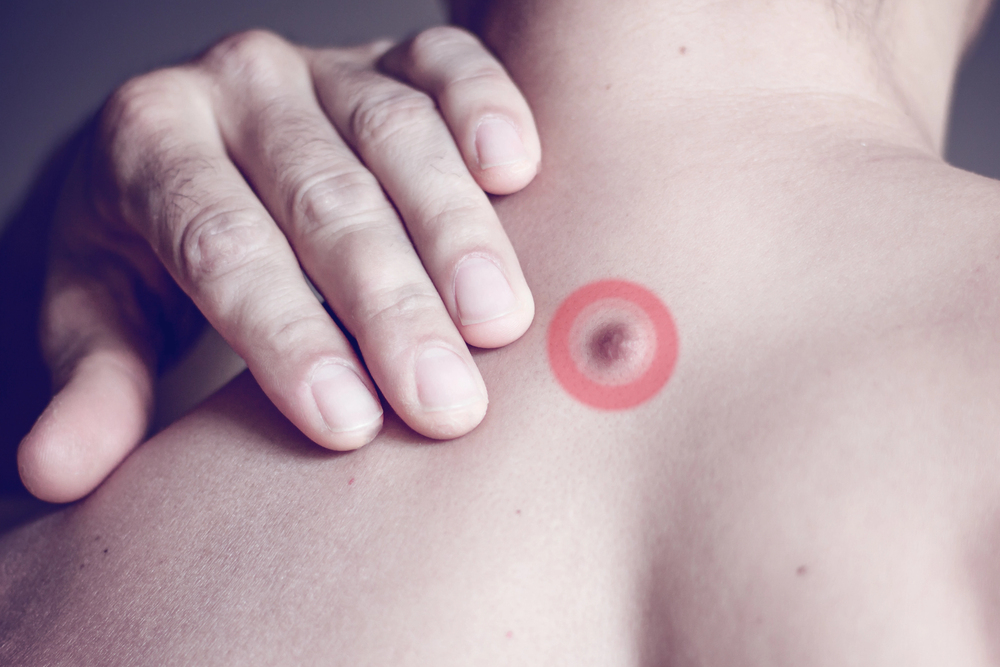
A red, swollen, or painful cyst is usually not removed right away. Our providers typically wait for the inflammation to calm down before removing the cyst, since a settled cyst is easier to remove completely and the area heals better. In the meantime, your provider may recommend a steroid injection or drainage to ease your symptoms.
What to Expect
Cyst care usually takes a few visits:
- Evaluation: Your first appointment is an exam to confirm the growth is a cyst and talk through your options.
- Removal: Cyst removal takes place at a separate appointment, performed under local anesthesia so the area is numb.
- Pathology: Every removed cyst is sent to pathology for review, so you have peace of mind about your results.
- Stitch removal: You’ll return in 1 to 2 weeks to have your stitches removed and make sure the area is healing well.
Cost, Insurance, and Referrals
We can file cyst evaluation and treatment with your insurance. Your coverage and out-of-pocket costs depend on your individual plan, so we recommend checking your benefits with your insurance provider. If you’re interested in removing a cyst purely for cosmetic reasons, we’re happy to discuss that option with you.
You can book your initial evaluation directly with us, and our office does not require a referral. Some insurance plans do require a referral from your primary care provider, though, so it’s best to check with your insurer before your visit.
Why Choose Swann Dermatology
Families across Southwest Missouri trust Swann Dermatology Partners for everyday dermatology as well as advanced skin cancer care. Our physicians, physician assistants, and nurse practitioners remove cysts regularly, and every case gets a plan tailored to the patient. Cysts are one of many skin conditions we treat . Get to know the friendly faces of Team Swann and see why so many patients keep coming back.
Our Cyst Evaluation & Treatment Team

Michael Kremer, MD
General Dermatologist

Jeremy Light, MD
Mohs & Cosmetic Surgeon, Dermatologist

Autumn Bertholdi, PA-C
Dermatology Physician Assistant

Patsy Duggan, PA-C
Dermatology Physician Assistant

Lori Miller, NP-C
Dermatology Nurse Practitioner

Hannah Lee, NP-C
Dermatology Nurse Practitioner

Brooklyn Fort, NP-C
Dermatology Nurse Practitioner

Lauren Copp, PA-C
Dermatology Physician Assistant

FAQ’s
We don’t recommend it. Squeezing a cyst can push material deeper into the skin, lead to infection or scarring, and leave the cyst wall behind, so the cyst usually comes back.
The area is numbed with a local anesthetic before removal, so most patients feel only a small pinch during the numbing step. Some tenderness afterward is normal.
When the entire cyst wall is removed, the chance of it returning is low. Cysts that are only drained are more likely to come back.
Any removal leaves some mark, but your provider will choose an approach that keeps the scar as small as possible, and most scars fade over time.
Yes. Every removed cyst is sent to pathology for review.
No. Evaluation and removal take place at separate appointments, which gives your provider time to plan the right approach.
We offer cyst removal at our Springfield , Branson , and Lebanon locations.
Our office doesn’t require one, but some insurance plans do, so it’s best to check with your insurer before your visit.