
Mohs Surgery in Springfield, MO
Precise Skin Cancer Removal in a Single Day
Mohs micrographic surgery is the gold standard for treating many types of skin cancer. It carries the highest cure rate of any treatment available, up to 99%, with the least damage to the healthy skin around it. Our fellowship-trained dermatologic surgeons remove basal cell and squamous cell carcinoma layer by layer, confirm clear margins under a microscope in our on-site lab, and complete the repair, ensuring you go home cancer-free. We offer Mohs surgery in Springfield, Branson, and Lebanon, Missouri.
How Mohs Surgery Works
Conventional skin cancer surgery usually means several appointments: one to remove the tumor, days of waiting on an outside pathology lab, and often another visit for repair or re-excision. Mohs surgery compresses all of that into one appointment.
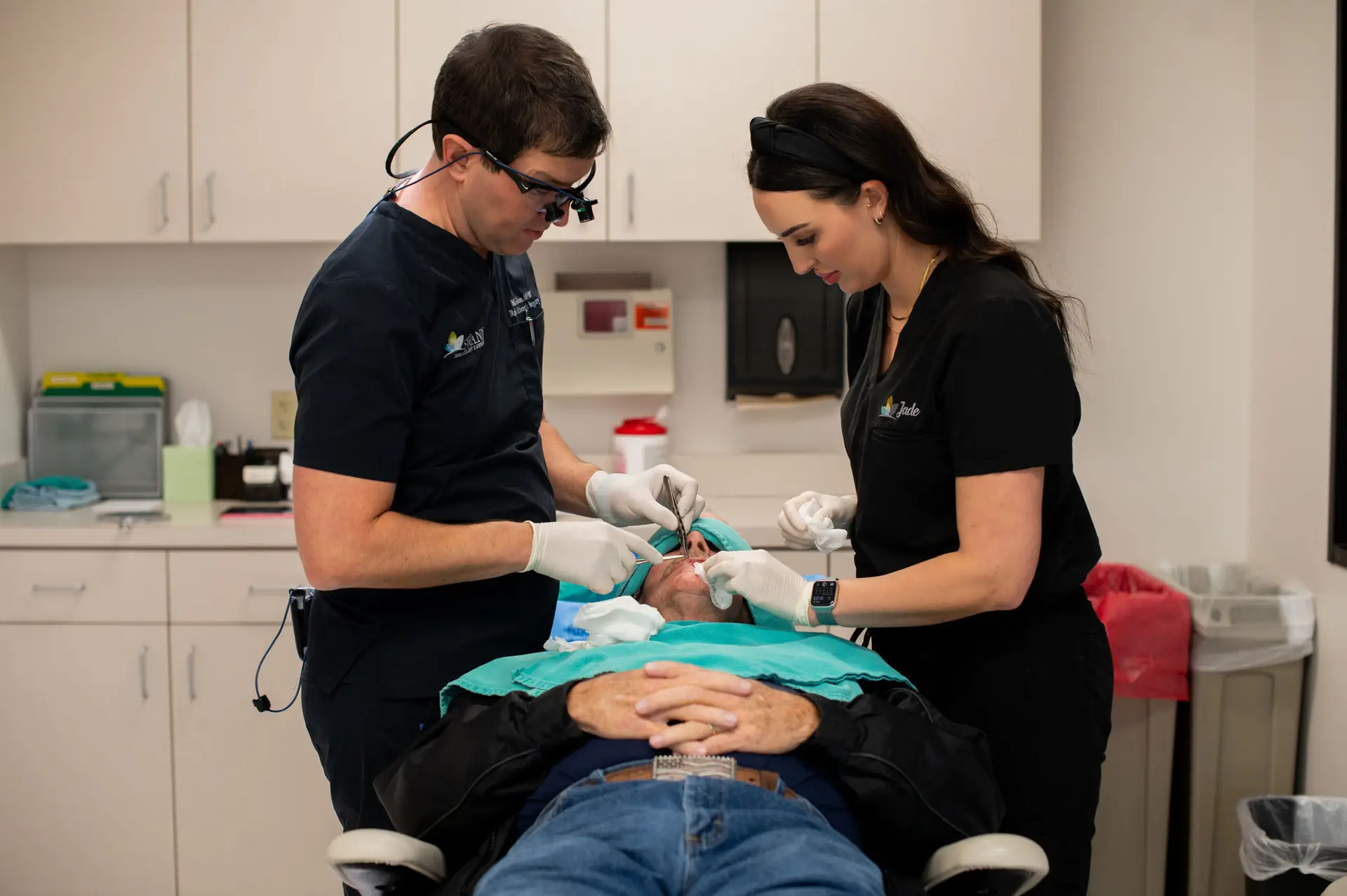
Your surgeon begins with the visibly involved tissue, removing only what is necessary. Each layer is processed and examined under a microscope while you wait, and the process is repeated until no cancer cells remain. Reconstruction is then performed by the same fellowship-trained Mohs surgeon who removed the cancer — no handoffs, no second surgery scheduled weeks out.
Most Mohs surgery appointments take two to five hours from check-in to discharge, depending on how many layers are needed. Snacks and juice are available for you and anyone who comes with you.

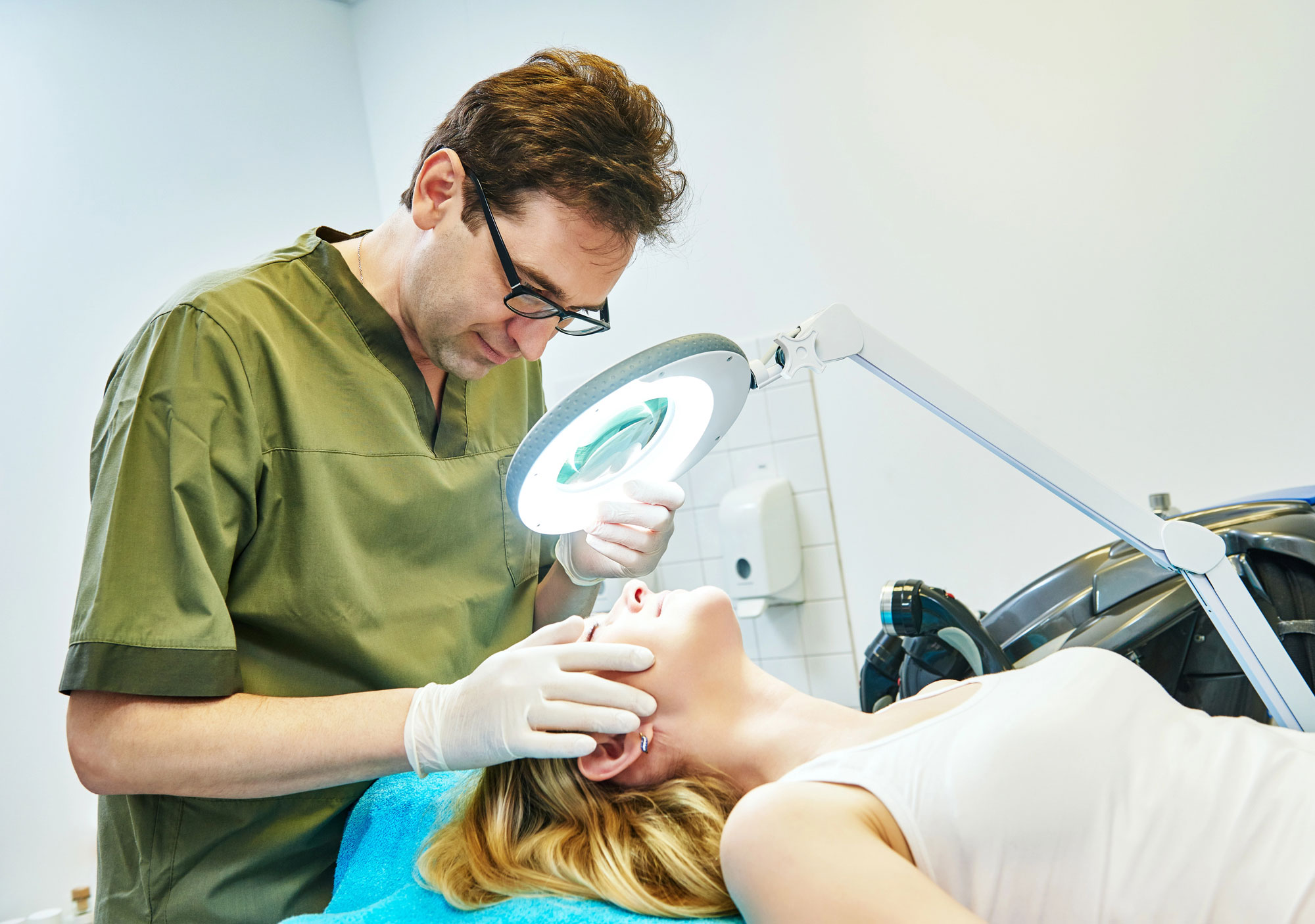
A More Comfortable Procedure
Less Scarring, Better Cosmetic Results
Standard excisions sacrifice a wide margin of healthy skin and can leave scars that never fully fade. Mohs surgery takes a different approach: smaller incisions, tissue-sparing removal, and specialized on-site reconstruction, including flaps and grafts when needed. Less trauma to the surrounding skin means a lower chance of a visible scar and smoother healing overall.
Aftercare matters just as much. Based on the specific repair performed, you will go home with written wound care instructions covering every stage of healing, so nothing about your recovery is left to guesswork. Our surgeons have built their reputation on how patients look when healing is complete. You can browse outcomes in our before-and-after gallery.
BEFORE AND AFTER
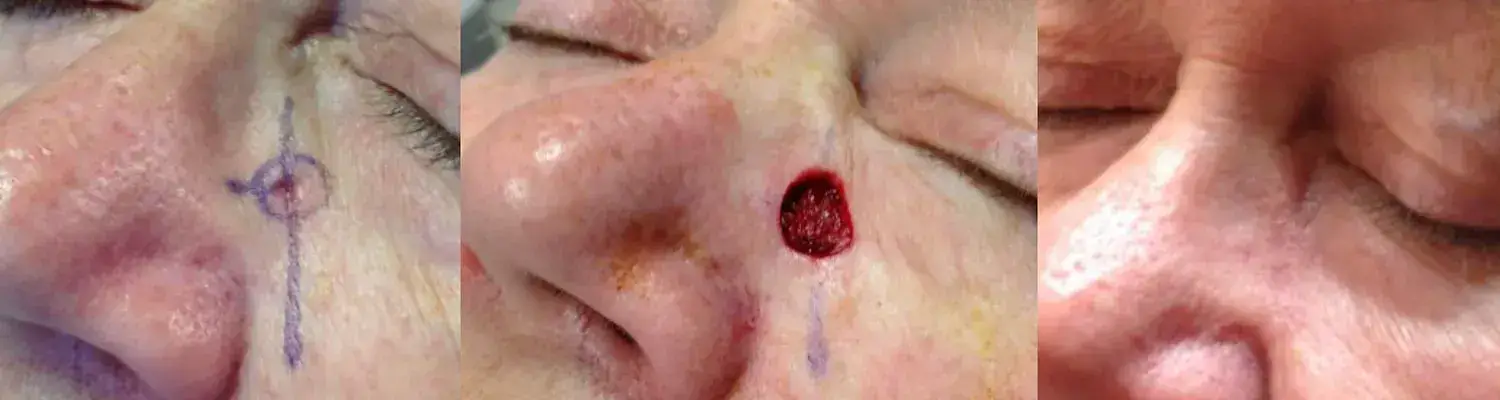
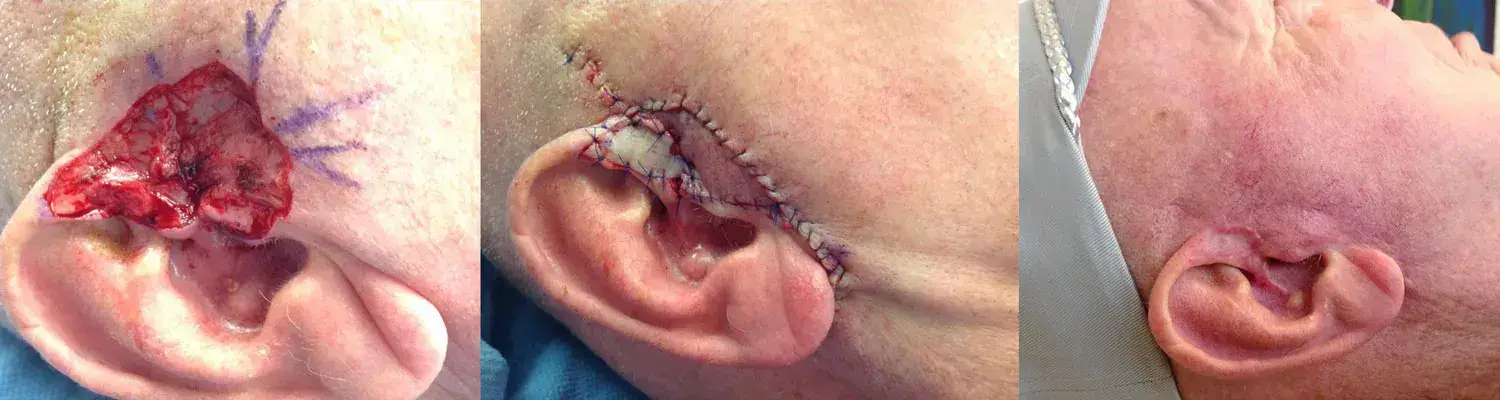
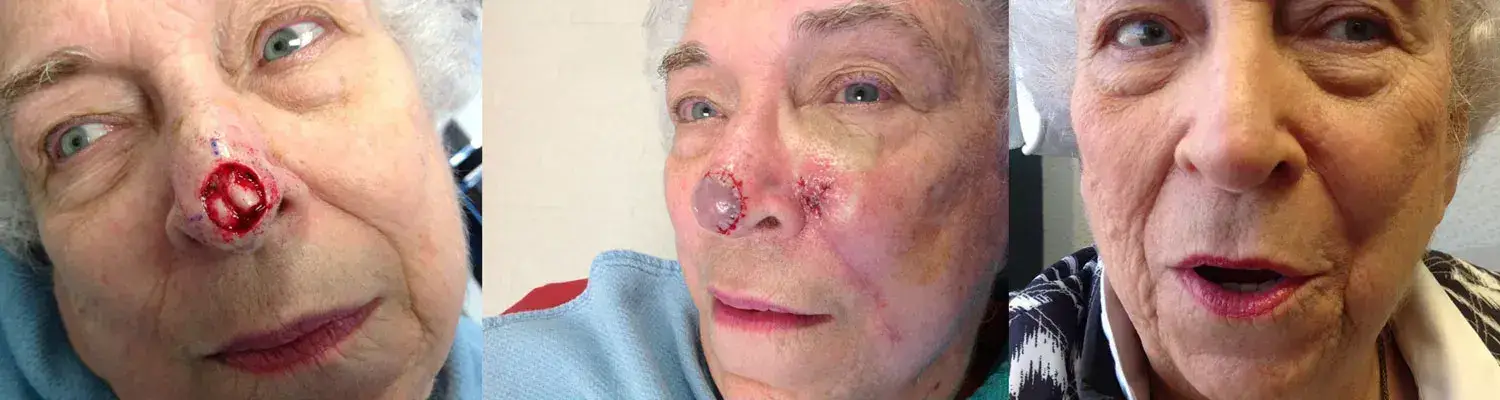
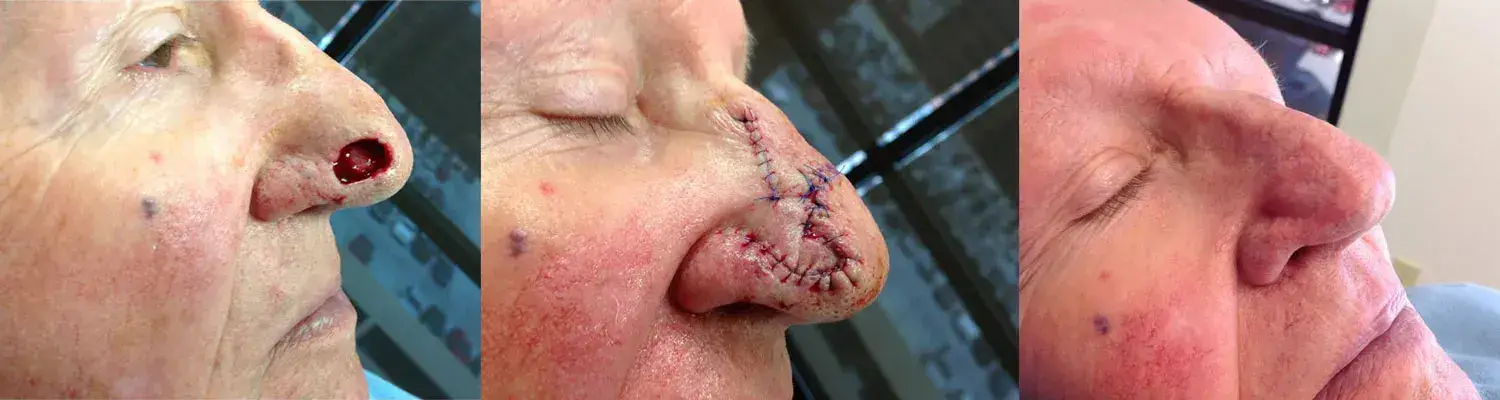
Since day one, we’ve been determined to make lives better. With 18+ years of success stories behind us, we’re confident in our approach to eliminating skin cancer while keeping you looking your best.
Is Mohs Surgery Right for You?
Mohs is most often recommended for basal cell carcinoma (BCC) and squamous cell carcinoma (SCC) in three situations:
- The cancer has come back after a previous treatment
- It sits in a cosmetically sensitive area such as the head, face, hands, or feet
- It is large, aggressive, or growing quickly
Not every skin cancer calls for surgery. If Mohs is not the best fit, we also offer brachytherapy, a non-surgical alternative, and photodynamic therapy for precancerous lesions. See all of our skin cancer treatment options, or start with a full-body skin cancer screening if you have not been checked recently.

In safe hands
Trust your skin to a team that has completed over 20,000 successful surgeries — using the procedure with the highest success rate of all skin cancer treatments available.
'Preferred Doctor'
in four states
Our Mohs surgeons are fellowship-trained, the highest level of training available for this procedure, and our practice is affiliated with the American College of Mohs Surgery and the American Society for Dermatologic Surgery. Meet the physicians on Team Swann or read what patients say in our reviews.
Frequently Asked Questions About Mohs Surgery
What is Mohs surgery?
Developed by Frederic E. Mohs in the 1930s, Mohs micrographic surgery is the most effective treatment for many types of skin cancer, with cure rates up to 99%. During the procedure, your surgeon removes cancerous tissue layer by layer and examines each layer under a microscope that is processed immediately in our in-office lab. This continues until no cancer cells remain, ensuring complete tumor removal while preserving the maximum amount of healthy tissue.
How long does Mohs surgery take?
Most patients spend 2-5 hours in our office from start to finish. The exact time depends on how many layers need to be removed. Each layer takes approximately 30-60 minutes to process and examine. We provide comfortable waiting areas with snacks and juice for you and your guests during the procedure. We recommend bringing a book or something to keep you entertained while you wait between layers.
Is Mohs surgery painful?
Will Mohs surgery leave a scar?
What types of skin cancer can be treated with Mohs surgery?
Can Mohs surgery treat melanoma?
What is recovery like after Mohs surgery?
Recovery varies depending on the size and location of your surgery. Most patients experience mild discomfort that can be managed with over-the-counter pain medication. We provide detailed written instructions for wound care specific to your procedure. You’ll typically return for a follow-up visit to monitor healing and may have sutures removed 5-14 days after surgery, depending on the location.
How soon can I return to normal activities?
Can I drive myself home after Mohs surgery?
Does insurance cover Mohs surgery?
What's the difference between Mohs surgery and a standard excision?
Why choose Swann Dermatology for Mohs surgery?
Our surgeons, Dr. Mike Swann, Dr. Jeremy Light, and Dr. Elizabeth Spenceri, are fellowship-trained Mohs surgeons — the highest level of training available for this procedure. With over 20,000 successful surgeries performed and 18+ years of experience, we’re trusted throughout Missouri. We perform the entire procedure, including microscopic examination and reconstruction, in one day for your convenience. Find the office nearest you in Springfield, Branson, or Lebanon.