Eczema Treatment
Relief for Itchy, Irritated Skin in Southwest Missouri
Eczema can turn everyday life into a cycle of itching, scratching, and flare-ups. It can keep you up at night and make you self-conscious about your skin. At Swann Dermatology Partners, our experienced providers diagnose and treat every type of eczema in adults and children, and we build treatment plans that fit your skin, your symptoms, and your life. Whether you have occasional dry patches or eczema that hasn’t responded to other treatments, we’re here to help you find lasting relief.
What Is Eczema?
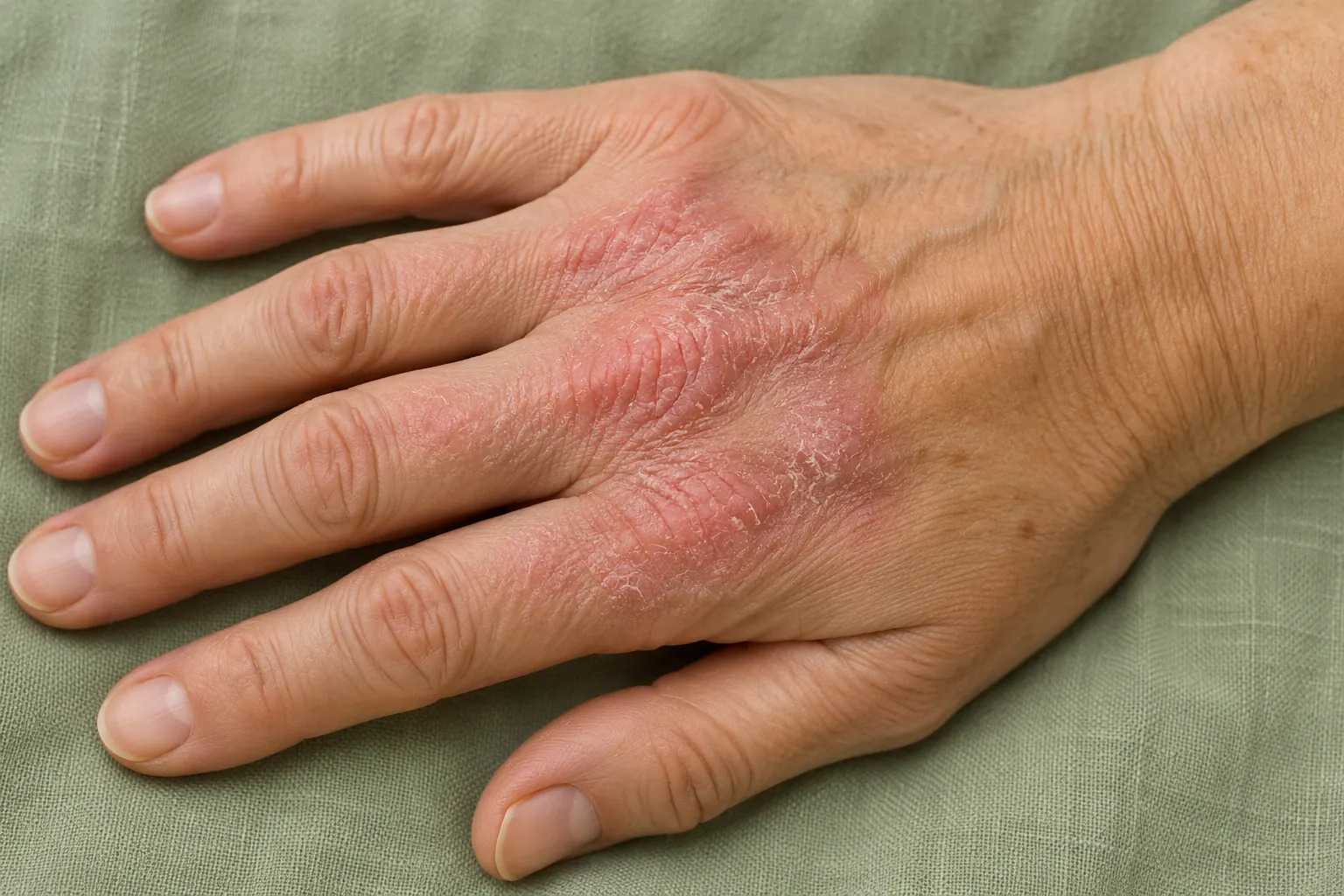
Eczema is a group of conditions that cause the skin to become inflamed, itchy, dry, and irritated. It often appears as red or discolored patches, rough or scaly skin, or small bumps that may ooze or crust. Eczema isn’t contagious, but it tends to come and go, with flare-ups triggered by things like weather changes, stress, harsh soaps, fragrances, or allergens.
Eczema can affect anyone at any age. It often starts in childhood, but many people develop it for the first time as adults. Some of its symptoms overlap with other skin conditions. Facial redness and sensitivity can be mistaken for rosacea, and people with atopic dermatitis often also have keratosis pilaris, which causes small, rough bumps on the arms and thighs. Your provider can identify what’s causing your symptoms and help you manage it effectively.
Types of Eczema We Treat
Eczema comes in several forms, and each one behaves a little differently. Identifying the type you have is the first step toward the right treatment. Our providers diagnose and treat:
- Atopic dermatitis: The most common form of eczema. It is often linked to a family history of allergies, asthma, or hay fever and usually causes chronic itchy, dry patches.
- Contact dermatitis: A reaction that happens when your skin touches an irritant or allergen, such as certain metals, fragrances, cleaning products, or plants.
- Dyshidrotic eczema: Small, itchy blisters on the hands, fingers, or feet that can be painful and recurring.
- Nummular eczema: Round, coin-shaped patches of irritated skin, often on the arms, legs, or torso.
- Seborrheic dermatitis: Flaky, greasy, or scaly patches on the scalp, face, eyebrows, or chest. In infants, it’s commonly known as cradle cap.
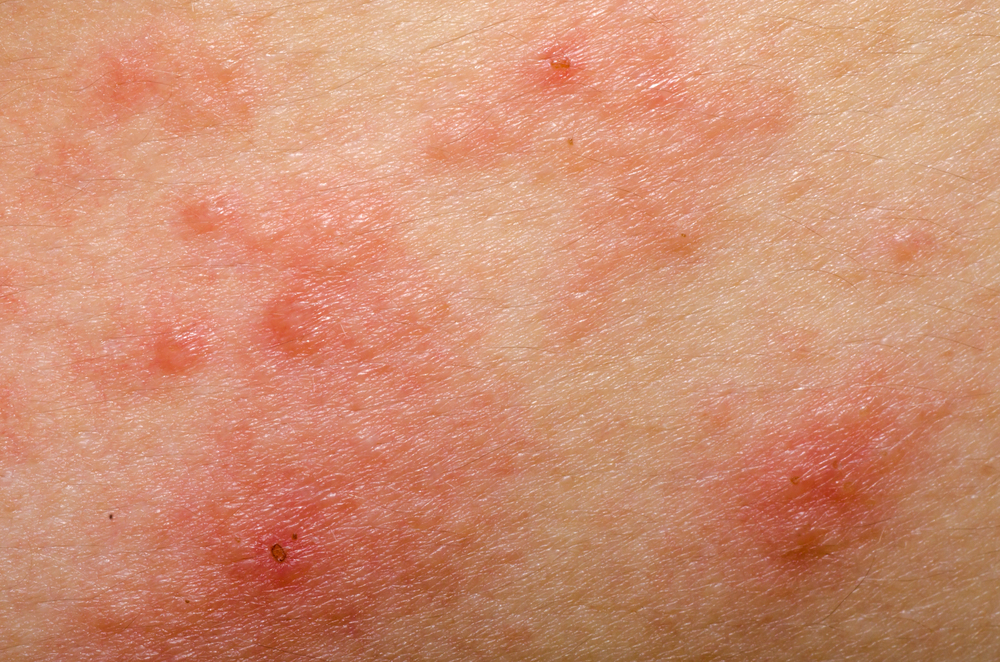
Eczema Treatment Options
There’s no one-size-fits-all approach to eczema. Your provider will consider the type, severity, and location of your eczema, along with how it has responded to past treatments, to recommend the right plan.
Topical Treatments
Prescription creams and ointments are often the first step. They calm inflammation, relieve itching, and help repair the skin barrier. Your provider will also recommend a gentle daily skincare routine to help prevent future flare-ups.
Phototherapy
For eczema that covers a large area or doesn’t improve with topical treatments, narrowband UVB phototherapy can be an effective option. These controlled in-office light treatments reduce inflammation and itching over a series of sessions.
Oral Medications
Some patients with moderate to severe eczema benefit from oral medications that work throughout the body to calm the immune response behind flare-ups.
Biologic Therapy for Severe Eczema
Biologics are advanced injectable medications that target specific parts of the immune system that drive eczema. They can be life-changing for patients with severe eczema that hasn’t responded to other treatments.
Getting biologics approved by insurance can be complicated, so we have an in-house biologics coordinator, Jessica Holsteen, to help. She works with you and your insurance company on prior authorizations and helps you find copay assistance programs, so you can focus on feeling better instead of dealing with paperwork.
Eczema Treatment for Children
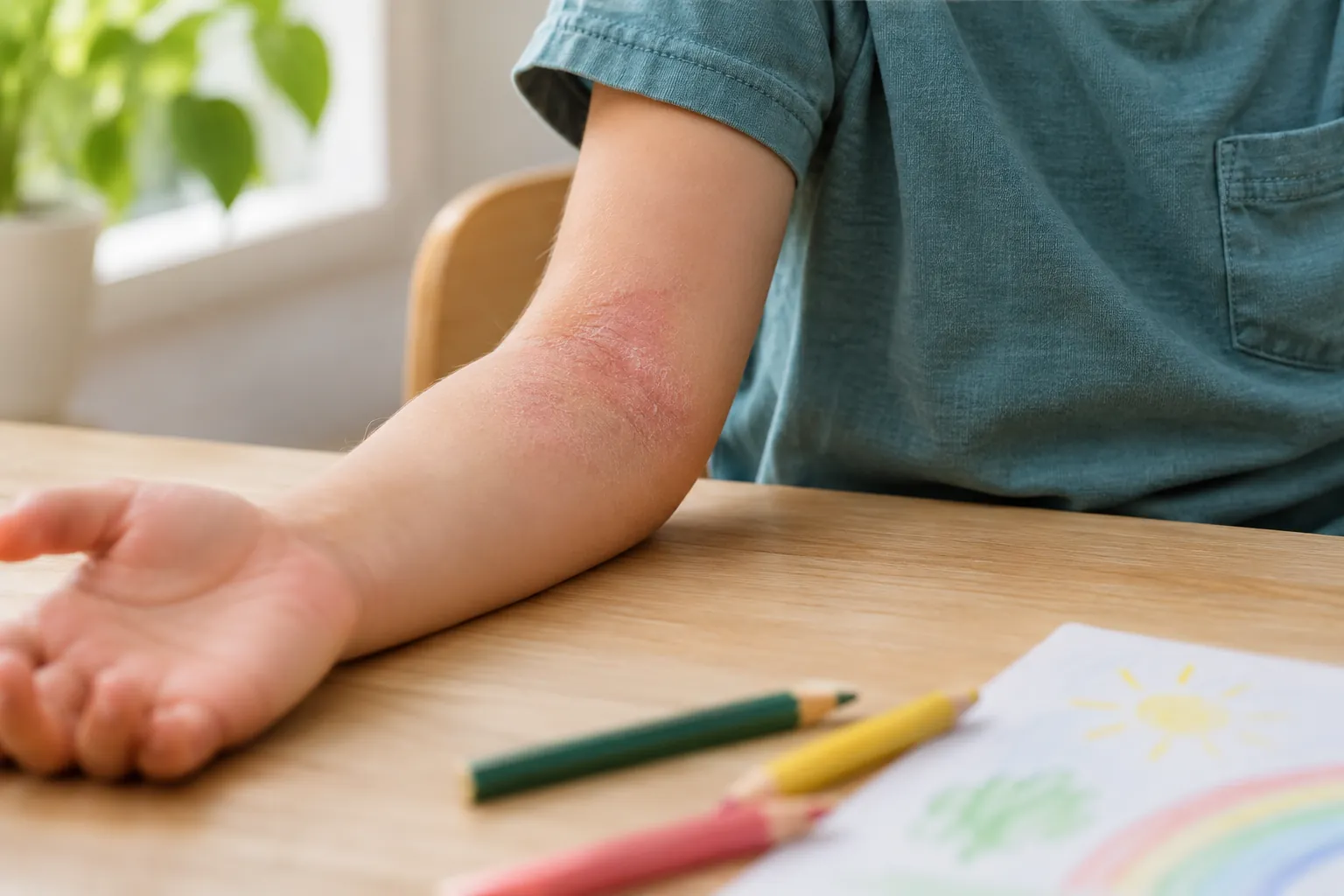
Eczema is especially common in babies and young children, and it can be hard on the whole family. Michael Kremer, MD, Brooklyn Fort, NP-C, and Ashley Pierson, PA-C, see pediatric patients with eczema and take a gentle, family-centered approach to care. Minimum ages vary by provider, so please call our office at 417-888-0858 to find the best fit for your child.
What to Expect at Your Appointment
At your first visit, your provider will examine your skin, ask about your symptoms and triggers, and review any treatments you’ve already tried. In most cases, we can diagnose your eczema and create a personalized treatment plan at that first appointment, so you can start on the path to relief right away. Follow-up visits are scheduled as needed to check your progress and adjust your plan.
Cost, Insurance, and Referrals
Eczema is a medical condition, so diagnosis and treatment are typically billed to your health insurance. You don’t need a referral to make an appointment with our office, but some insurance plans require one, so we recommend checking with your provider before your visit.
Why Choose Swann Dermatology for Eczema Care?
Eczema is a chronic condition, and managing it well takes a team that knows your history and listens to your concerns. Our physicians, physician assistants, and nurse practitioners treat eczema at all five of our Southwest Missouri offices in Springfield, Branson, Lebanon, and Monett. From prescription topicals to phototherapy and biologics, we offer a full range of treatment options under one roof, along with dedicated support for insurance approvals. Meet Team Swann, find a location near you, or explore the other skin conditions we treat.
Our Eczema Treatment Team

Michael Kremer, MD
General Dermatologist
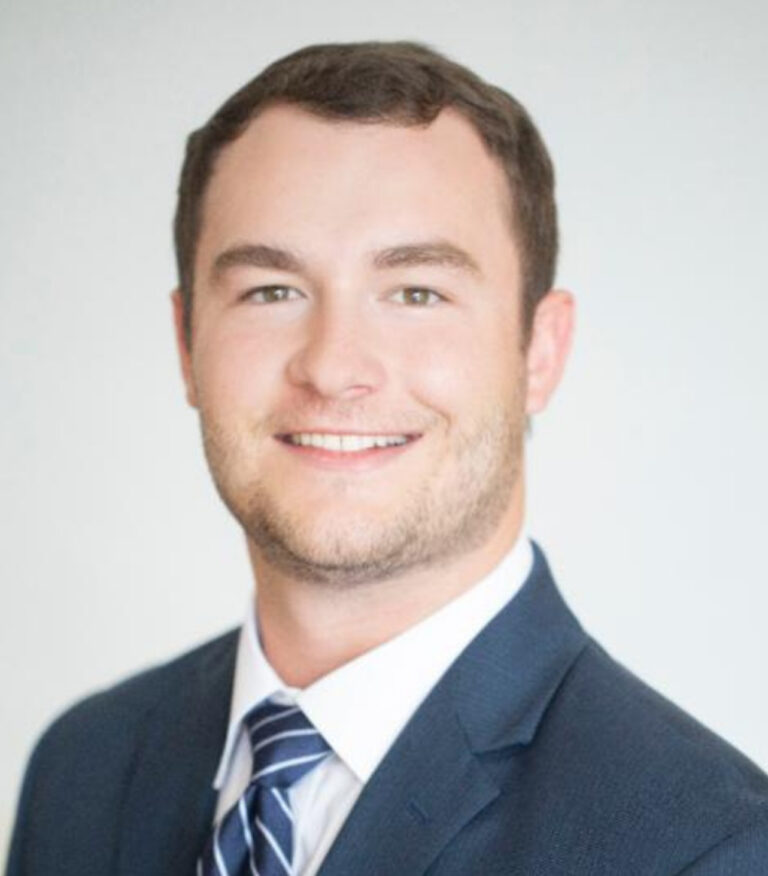
Jeremy Light, MD
Mohs & Cosmetic Surgeon, Dermatologist

Autumn Bertholdi, PA-C
Dermatology Physician Assistant
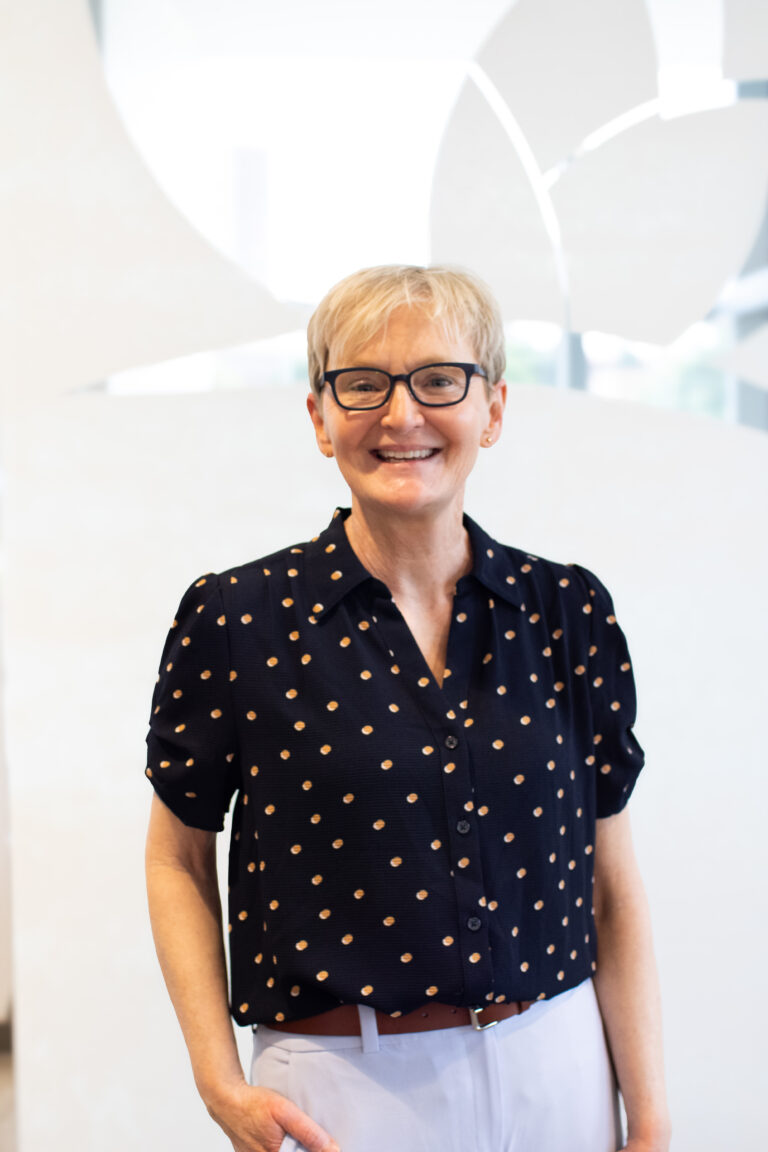
Patsy Duggan, PA-C
Dermatology Physician Assistant
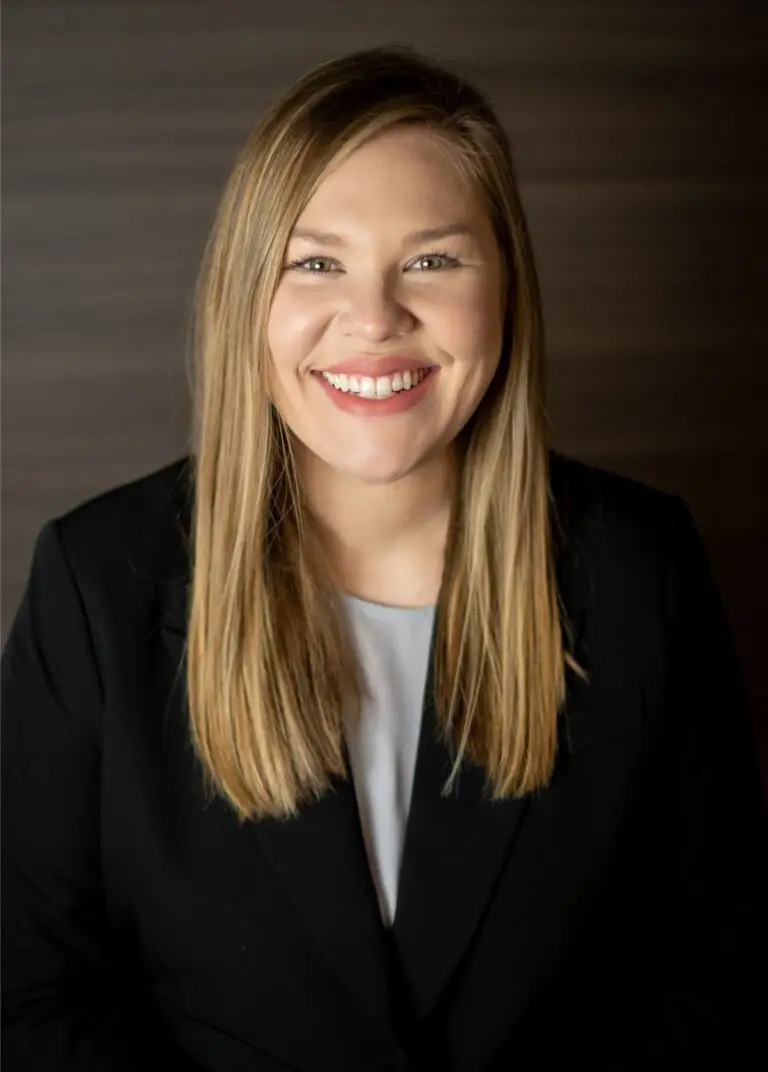
Lori Miller, NP-C
Dermatology Nurse Practitioner
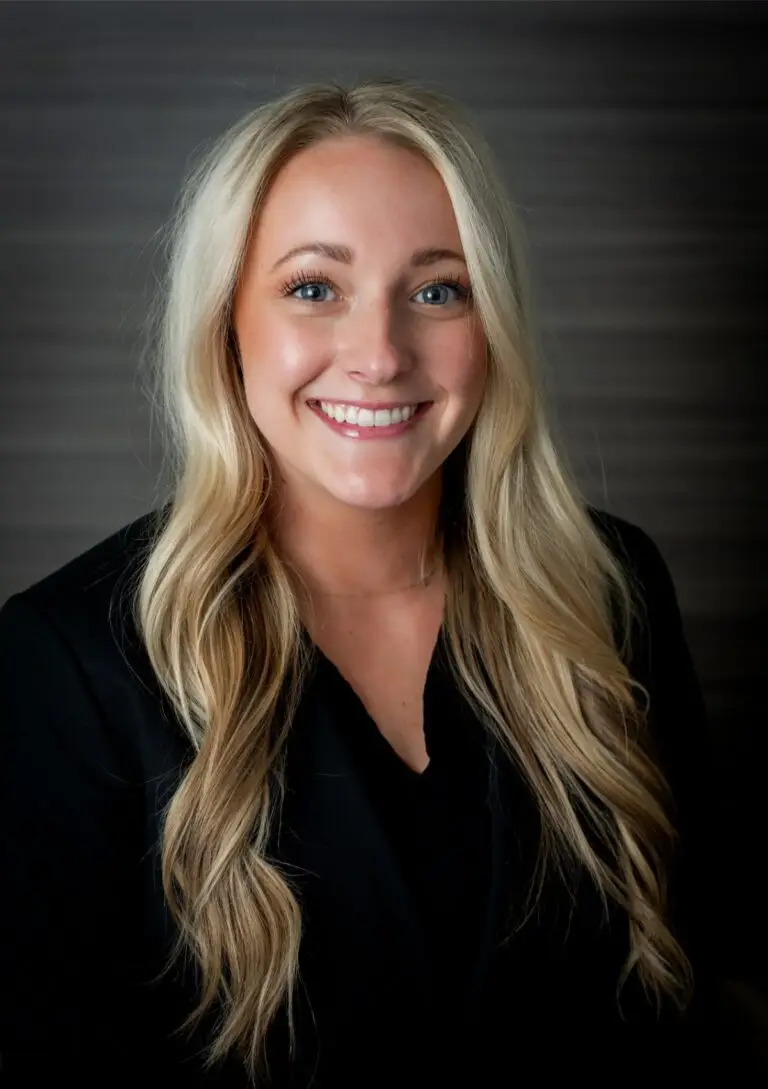
Hannah Lee, NP-C
Dermatology Nurse Practitioner

Brooklyn Fort, NP-C
Dermatology Nurse Practitioner

Lauren Copp, PA-C
Dermatology Physician Assistant
FAQ’s
There’s currently no cure for eczema, but it can be managed very effectively. With the right treatment plan, many patients have fewer, milder flare-ups and long stretches of clear, comfortable skin.
Make an appointment if your eczema doesn’t improve with over-the-counter products, keeps you up at night, covers a large area, or shows signs of infection such as oozing, crusting, or increased pain.
Common triggers include dry or cold weather, heat and sweat, stress, harsh soaps, fragrances, certain fabrics, and allergens. Your provider can help you spot your personal triggers and find ways to avoid them.
No. Eczema can’t spread from person to person. However, scratched or broken skin can become infected, which is another reason to get flare-ups under control.
Both conditions can cause red, itchy, scaly patches, so they’re easy to confuse. Eczema tends to be intensely itchy and often appears in skin folds, like the inner elbows and behind the knees. Psoriasis usually forms thicker, well-defined plaques with silvery scales, often on the elbows, knees, and scalp. A dermatologist can tell them apart and recommend the right treatment for you.
It depends on your type of eczema and your medical history. Options for severe eczema include phototherapy, oral medications, and biologics. Your provider will help you weigh the benefits of each.
Yes. Michael Kremer, MD, Brooklyn Fort, NP-C, and Ashley Pierson, PA-C, treat pediatric patients. Minimum ages vary by provider, so please call our office at 417-888-0858 for details.
Swann Dermatology Partners treats eczema at five offices in Springfield, Branson, Lebanon, and Monett, making expert care convenient for patients throughout Southwest Missouri.
No referral is needed to schedule with our office, but some insurance plans require one. Check with your insurance provider before your visit.